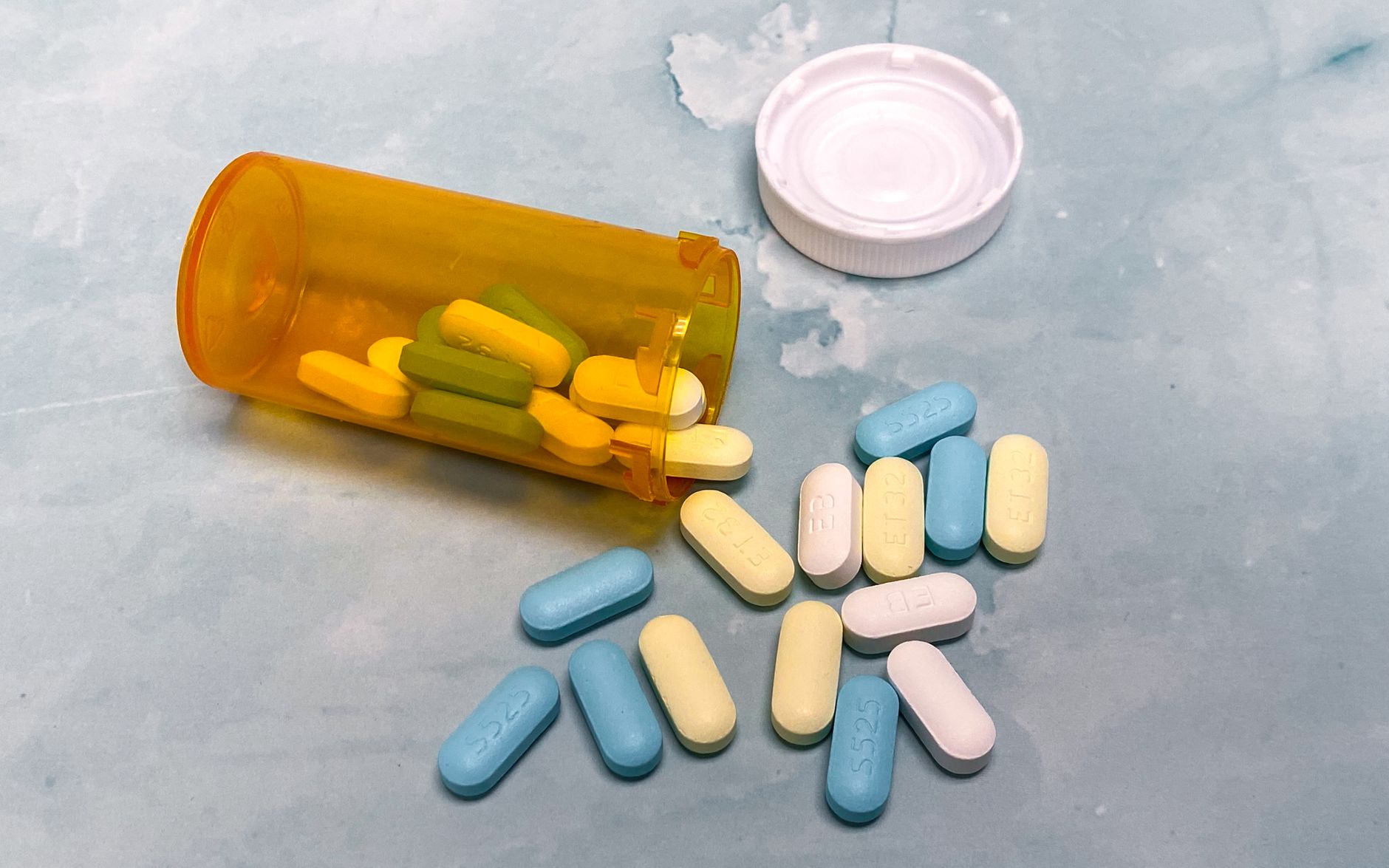

The price of survival is a pressing concern for many patients relying on life-saving medications. As pharmaceutical costs soar, understanding these prices becomes crucial for healthcare access.
Understanding Medication Costs
The cost of life-saving medications has become a pressing issue for many individuals and families struggling with chronic illnesses. Understanding the price of survival involves examining not only the monetary costs but also the emotional and social implications that come with accessing necessary treatments.
Many patients face exorbitant prices for essential medications, which can lead to difficult choices about their health and well-being. The reasons for these high costs include:
- Research and Development: The investment in developing new drugs is substantial, often exceeding billions of dollars before a medication reaches the market.
- Manufacturing Costs: Complex production processes and the need for stringent quality controls can add to the overall price.
- Market Exclusivity: Patent protections allow pharmaceutical companies to maintain high prices for extended periods, limiting competition.
- Insurance Coverage: Variability in insurance plans can result in significant out-of-pocket expenses for patients, even with coverage.
As a result, many patients find themselves choosing between their financial stability and their health. This dilemma highlights the stark reality that the price of survival is not solely a financial burden but also a challenge that affects the quality of life.
The Impact of Drug Pricing on Patients
The rising cost of life-saving medications has profound implications for patients, many of whom find themselves grappling with the price of survival. With healthcare expenses soaring, individuals are often forced to make tough decisions regarding their treatment options.
According to recent studies, a significant number of patients report that high drug prices have led them to:
- Skip doses or delay filling prescriptions due to financial constraints.
- Turn to alternative treatments that may be less effective or unproven.
- Rely on crowdfunding or financial assistance programs, which can be unpredictable and insufficient.
Moreover, the emotional toll on patients is considerable. Many individuals experience feelings of anxiety and hopelessness when confronted with the harsh reality of unaffordable medications. This not only affects their physical health but takes a toll on their mental wellbeing as well.
Pharmaceutical companies argue that high prices are necessary to fund research and development, yet patients struggle to see the connection between these costs and their daily lives. The lack of transparency in drug pricing contributes to a growing sense of frustration, as patients question why essential treatments are often priced out of reach.
Ultimately, the price of survival is a critical issue that demands attention from policymakers, healthcare providers, and society as a whole.
Price of Survival: A Personal Story
For many patients, the price of survival is measured not just in terms of money, but in the emotional and physical toll that medication costs can impose. Jane, a 42-year-old mother of two, found herself in a life-altering situation when she was diagnosed with a rare autoimmune disease. Despite her determination to fight, the financial burden of necessary medications quickly became overwhelming.
Jane recalls the day she received the prescription for her life-saving treatment. “I felt a mix of relief and panic,” she said. “I knew this medication could help me, but I also knew I had to find a way to pay for it.” With a monthly price tag exceeding $2,000, Jane faced difficult choices. She started to:
- Cut back on groceries to afford her medication.
- Negotiate payment plans with her healthcare provider.
- Seek assistance from non-profit organizations offering financial aid.
While Jane’s story is personal, it reflects a broader crisis where patients often have to weigh their health against their financial stability. “I never imagined that the price of survival could feel like a life sentence,” she shared, emphasizing the urgent need for reform in drug pricing to ensure that no one has to choose between their health and financial security.
Government Regulations on Pharma Prices
Government regulations play a critical role in determining the price of survival for many patients reliant on life-saving medications. In recent years, several countries have taken steps to control pharmaceutical prices, aiming to make essential drugs more accessible. However, the effectiveness and implementation of these regulations can vary greatly.
Many governments have introduced price caps or negotiated directly with pharmaceutical companies to lower costs. These measures can help to alleviate the financial burden on patients, yet they often face opposition from the industry. Pharmaceutical companies argue that stringent regulations can stifle innovation and reduce the incentive to develop new therapies.
Some key points regarding government regulation of pharma prices include:
- Price Negotiation: Countries like Canada and some European nations negotiate medication prices, which can lead to significant savings for patients.
- Price Transparency: Initiatives aimed at enhancing transparency in drug pricing can empower consumers to make informed choices about their healthcare.
- Regulatory Challenges: Despite regulations, loopholes and exemptions often allow companies to maintain high prices, complicating efforts to ensure affordability.
Ultimately, the effectiveness of these regulations directly impacts the price of survival, as patients weigh the costs of essential medications against their health needs. Balancing affordability and innovation remains a pressing challenge for policymakers worldwide.
Innovations in Affordable Medications
In recent years, the pharmaceutical industry has seen a surge in innovations aimed at making life-saving medications more affordable for patients. These advancements are crucial, especially when considering the price of survival, which continues to be a pressing concern for many individuals and families.
One notable innovation is the development of generic medications. Generics provide the same therapeutic benefits as their brand-name counterparts but at a significantly lower cost. This shift has allowed many patients to access necessary treatments without the financial burden that often accompanies brand-name drugs.
Furthermore, biopharmaceutical companies are investing in biosimilars, which are biologic medical products highly similar to already approved reference products. These biosimilars are expected to reduce costs in therapeutic areas such as oncology and autoimmune diseases, making crucial medications more accessible to those in need.
Additionally, subscription models for certain medications are emerging, where patients can pay a flat fee for ongoing access to life-saving drugs. This model not only simplifies the payment process but also helps patients budget for their healthcare needs more effectively.
As the healthcare landscape evolves, the focus remains on bridging the gap between innovation and accessibility, ensuring that the price of survival does not become an insurmountable barrier for those reliant on essential medications.
The Role of Insurance in Medication Access
The accessibility of life-saving medications is often closely tied to the role of insurance. Many patients find themselves navigating a complex landscape of coverage options that can either facilitate or hinder their access to essential treatments. The insurance system can significantly influence the price of survival, as not all plans provide comprehensive coverage for necessary medications.
Patients frequently encounter high out-of-pocket costs that can deter them from filling prescriptions. This financial burden can lead to difficult decisions about prioritizing essential needs, putting their health at risk. A recent survey indicated that nearly 30% of insured individuals have skipped doses or not filled prescriptions due to cost concerns. The disparity in coverage can be striking, as some plans may require high co-pays or have restrictive formularies that limit access to the most effective medications.
Moreover, the role of pharmacy benefit managers (PBMs) adds another layer of complexity. These intermediaries negotiate drug prices, but their influence can sometimes lead to increased costs for consumers. Patients must remain vigilant in understanding their insurance policies and advocating for their health needs, as the price of survival should not depend solely on the intricacies of their coverage. Ultimately, a more transparent and equitable insurance system is crucial for ensuring that all individuals have access to the medications they need.
Future Trends in Pharmaceutical Pricing
As the pharmaceutical landscape continues to evolve, future trends in medication pricing are becoming increasingly important to understand. The price of survival is a critical concern for many patients who rely on life-saving medications, and various factors are set to influence these costs in the coming years.
One significant trend is the growing emphasis on value-based pricing. This approach links the cost of medications to their effectiveness, which could lead to more affordable options for patients. However, challenges remain in determining the true value of certain drugs, particularly newer treatments that may offer marginal benefits over existing therapies.
Another factor is the rise of biosimilars. These biologic medications, which are similar to existing branded products, have the potential to offer lower-cost alternatives, thus impacting the overall price of survival for many patients. As more biosimilars enter the market, competition may help drive down prices.
In addition, the integration of technology in drug development and distribution is expected to play a critical role. Innovations such as telehealth and personalized medicine might streamline access to medications, potentially reducing costs for both consumers and healthcare systems.
Ultimately, the future of pharmaceutical pricing will likely depend on a combination of regulatory changes, market dynamics, and technological advancements, all aimed at ensuring that essential medications remain accessible to those in need.
Photo by Mason McCall on Pexels
Read the original
millenniumpost.in · Price of Survival
Gujarat Themis Biosyn QIP Approval: Proven Success Story · Maha FDA price review: Is it the Right Move for Medtech? · Slavery Reparations Jamaica: Honest Steps to Seek Justice