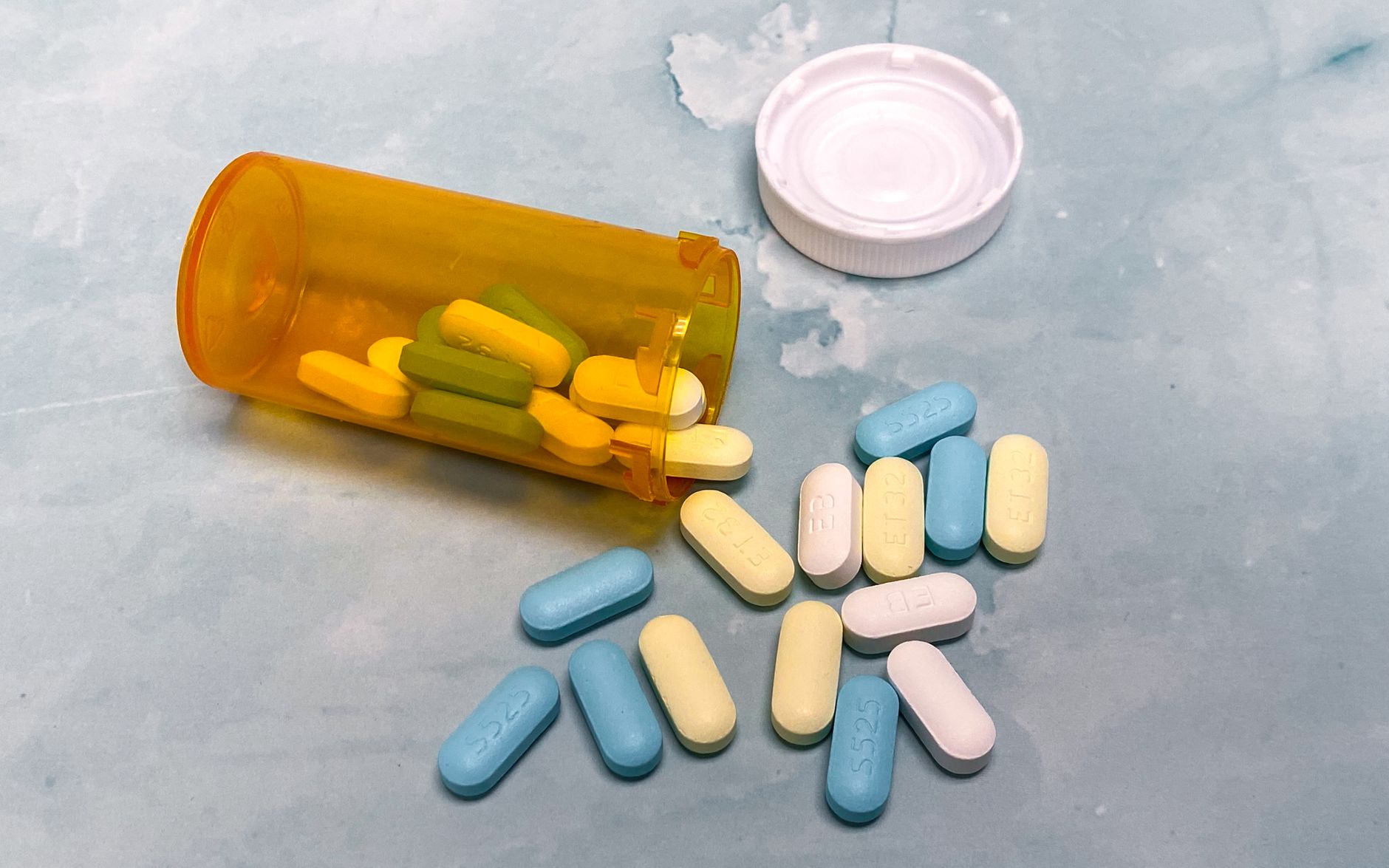

The cancer drug price cap is a groundbreaking development in the pharmaceutical industry. This new policy is expected to save the government ₹2,500 crore each year, making treatments more accessible to patients in need.
Understanding the Cancer Drug Price Cap
The recent approval of the cancer drug price cap by the government marks a significant milestone in healthcare policy aimed at making life-saving treatments more accessible to patients. This initiative is expected to generate substantial savings, with projections indicating an annual reduction of ₹2,500 crore in expenditure on cancer medications.
The price cap is designed to limit the costs of essential cancer drugs, thereby alleviating the financial burden on patients and their families. By restricting the maximum allowable price of these medications, the government aims to ensure that more individuals can receive timely and effective treatment without the fear of exorbitant costs.
Key aspects of the cancer drug price cap include:
- Improved Accessibility: Patients will find it easier to obtain necessary medications.
- Cost Control: The initiative helps regulate prices while encouraging manufacturers to innovate.
- Enhanced Competition: A price cap can stimulate competition among pharmaceutical companies, leading to better options for consumers.
Overall, the introduction of the cancer drug price cap is a proactive step towards ensuring that cancer treatment remains within reach for all, potentially saving countless lives and making a significant impact on public health.
Impact on Patients and Accessibility
The newly implemented cancer drug price cap has sparked considerable optimism among patients and healthcare advocates. With the government’s projection of annual savings amounting to ₹2,500 Crore, the price cap is expected to significantly enhance accessibility to essential medications.
Many patients previously faced daunting financial challenges when accessing cancer treatments, often leading to delays or compromised health outcomes. The introduction of this price cap is anticipated to alleviate some of these burdens by ensuring that life-saving drugs become more affordable.
Furthermore, the potential savings can not only ease the financial strain on families but also foster a more equitable healthcare environment. As costs decrease, patients may find it easier to adhere to prescribed treatment regimens, ultimately improving their chances of recovery.
Healthcare professionals have noted that this move could also encourage more patients to seek early diagnosis and treatment, which is crucial in the fight against cancer. In summary, the cancer drug price cap represents a significant step toward enhancing patient welfare and ensuring that critical therapies are accessible to all who need them, reinforcing the government’s commitment to public health.
Government Savings Projections
The recent approval of the cancer drug price cap is expected to generate significant savings for the government, with projections estimating an annual reduction of ₹2,500 crore. This initiative aims to alleviate the financial burden of cancer treatments, which have become increasingly expensive over the years.
According to government officials, the implementation of the price cap will lead to:
- Reduced expenditure: Hospitals and healthcare providers will benefit from lower costs, allowing them to allocate funds more efficiently.
- Improved access: Patients will find it easier to afford necessary medications, enhancing their treatment compliance and outcomes.
- Encouragement of generic options: The price cap is expected to promote the availability of generic alternatives, further driving down prices.
With the ongoing battle against cancer, the government believes that these savings will play a critical role in improving the overall healthcare landscape. By instituting a cancer drug price cap, the administration aims not only to ensure financial sustainability but also to reaffirm its commitment to making cancer care more accessible to all citizens.
Comparative Analysis of Drug Prices
The introduction of the cancer drug price cap has sparked significant discussion regarding its potential effects on the pharmaceutical market. A comprehensive comparative analysis of drug prices before and after the implementation of this cap reveals substantial differences that could benefit both patients and the healthcare system.
Prior to the price cap, many cancer medications were priced exorbitantly, making them inaccessible for a large portion of the population. A recent study highlighted the following key differences:
- Price Reductions: The average cost of essential cancer drugs has decreased by approximately 30% since the cap’s introduction.
- Affordability Increase: Patients now report a 40% reduction in out-of-pocket expenses for lifesaving medications.
- Market Competition: The price cap has encouraged pharmaceutical companies to compete, leading to the introduction of more generic alternatives.
These changes demonstrate how the cancer drug price cap not only aims to reduce government spending but also serves as a crucial step towards improving access to necessary treatments for all patients. As the healthcare landscape continues to evolve, the long-term implications of these price adjustments remain to be fully seen.
Expert Opinions on the New Policy
Experts have weighed in on the recently approved cancer drug price cap, highlighting its potential to transform patient care and reduce financial burdens. Dr. Anjali Mehta, an oncologist at a leading hospital, emphasized that the policy could significantly increase accessibility for patients. “With the cancer drug price cap, we anticipate more patients will be able to afford essential medications, leading to improved treatment adherence and outcomes,” she stated.
Pharmaceutical analysts have also noted the implications for the industry. Rajiv Kumar, a market researcher, mentioned, “While the price cap may challenge profit margins for some companies, it is a necessary step towards fair pricing and sustainability in the long run.” The consensus among experts is clear: the cancer drug price cap not only aims to alleviate the financial strain on patients but also encourages innovation in drug development.
Moreover, Dr. Priya Singh, a health policy expert, remarked, “This policy sends a strong message about the government’s commitment to ensuring that lifesaving treatments are within reach for all.” As the implementation begins, many stakeholders are optimistic about the long-term benefits of the cancer drug price cap, projecting a potential annual savings of ₹2,500 crore for the healthcare system.
Future of Cancer Treatments in India
The future of cancer treatments in India appears promising with the recent implementation of the cancer drug price cap. This policy is expected to not only reduce the financial burden on patients but also encourage innovation and competition among pharmaceutical companies. As the government anticipates substantial annual savings of ₹2,500 crore, these funds could be reinvested into healthcare infrastructure and research.
Experts believe that the price cap will lead to a more equitable distribution of cancer medications, ensuring that all patients, regardless of their socioeconomic status, have access to essential treatments. This shift could also propel India towards becoming a global hub for affordable cancer care.
Moreover, the long-term effects of the price cap could promote the development of generics and biosimilars, which are often more affordable alternatives to brand-name drugs. Such advancements could further enhance the accessibility of life-saving treatments.
In addition, the implementation of this policy could pave the way for similar initiatives in other therapeutic areas, ultimately transforming the landscape of healthcare in India. As the country embraces this new chapter, stakeholders remain hopeful for a future where quality cancer care is within reach for everyone.
Photo by Towfiqu barbhuiya on Pexels